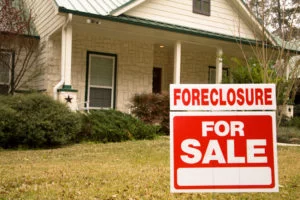
When you are served with a foreclosure complaint, you have many options in response. A foreclosure defense attorney in Dallas can help you weigh your options and make the best decisions in your situation. You may be confused about all of the foreclosure defense methods that you have seen. It’s important to know that each step in the process should be evaluated before deciding what option is best for you. Chapter 13 bankruptcy, short sales, and “deed in lieu of foreclosure”
are three potential foreclosure defense methods. Filing Chapter 13 bankruptcy puts an immediate stay on foreclosure proceedings. Additionally, it allows you to reorganize your debt into manageable payments that can be executed over three to five years. If you are willing to walk away from your home, a short sale or deed in lieu of foreclosure may be viable options.
We discuss foreclosure defense methods below:
Filing Bankruptcy
When you file bankruptcy, an automatic stay gets put into place. This will immediately put foreclosure actions on hold while you sort out your finances through the bankruptcy court. You may choose to file Chapter 7, Chapter 13, or another form of bankruptcy. However, an automatic stay applies right when you file your bankruptcy petition.
Chapter 7 bankruptcy will allow you to liquidate most of your debts and eliminate financial problems. However, you may still be able to keep your home, even if it is in foreclosure. A skilled bankruptcy defense lawyer can explain how Chapter 7 will work for you.
Chapter 13 bankruptcy will provide you with a path to reorganize your debts into manageable payments that can be executed over three to five years. Your mortgage may be included or excluded from your bankruptcy estate, depending on state and federal laws. However, by reorganizing your other debts, you may be able to better manage your mortgage.
When deciding between Chapter 7 and Chapter 13, you must consider your income, assets, and the benefits you may obtain from both types of bankruptcy. A skilled foreclosure defense lawyer can help you understand which type of bankruptcy is right for you and how it will impact your foreclosure.
Short Sales or Deed in Lieu of Foreclosure
If you are willing to walk away from your home, a short sale or “deed in lieu of foreclosure” may be a viable option. This would involve selling your home to pay as much as possible on the mortgage or giving your deed to the lender instead of them pursuing foreclosure. Both options involve relinquishing ownership of your home. If you want to keep your home, a skilled foreclosure defense lawyer can help you with that as well.
Modification of Mortgage
If you are behind on your payments, your lender may be open to a modification of your mortgage. This is especially true if you have made many payments on the mortgage or your interest rate is exceptionally high. You may be able to extend payments, reduce your payment amount, or reduce your interest rate. Often, lenders will not negotiate with a debtor. However, a foreclosure defense lawyer can talk to your mortgage management agency and work to find a solution that is best for you.
Mediation in Foreclosure Defense
Many home contracts include a mediation clause. You and your lender may be required to seek mediation instead of taking the situation to court. If you are behind on your payments, you may be able to opt for mediation of the situation instead of going to court. Allmand Law Firm, PLLC, will evaluate your mortgage contract and determine if your lender is providing you with all of your legal options under the law.
Dual Tracking
If you request a modification of your loan and the lender continues the foreclosure process while also considering that modification, they may be practicing “dual tracking.” In most cases, you are protected against dual tracking by state and federal laws. However, if you suspect that your lender is dual tracking, you should consult with a foreclosure defense lawyer who can address the situation immediately. We will assess the situation and take a stand for your rights against dual tracking activities by lenders.